Timbó Grande hosts the Chica Pelega Film Festival
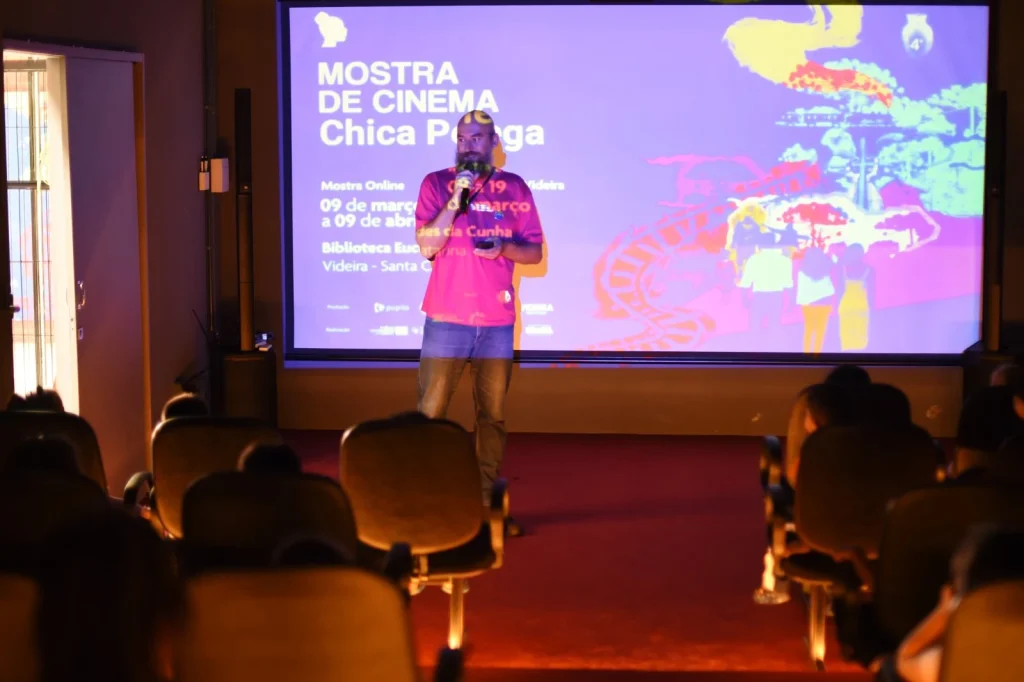
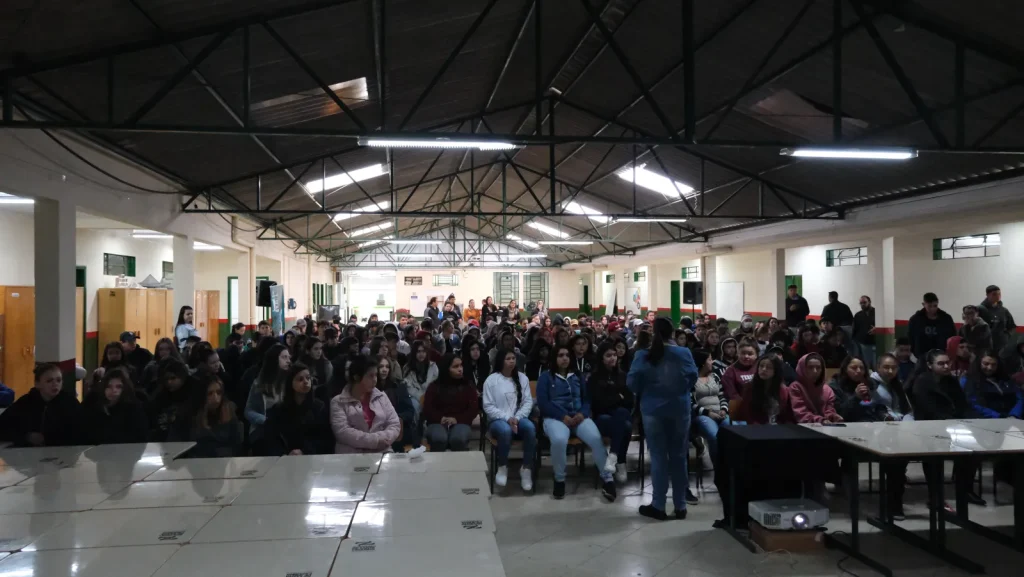
Timbó Grande belonged to Curitibanos, like much of the Plateau, in the days of the Contestado War. It was also where the last stronghold of resistance of the Caboclo people was raised. In the Santa Maria Valley. This place, so emblematic for the history of the conflict, where the battle that became known as the Easter genocide took place in 1915, will host the Chica Pelega Film Festival on August 11 and 12. In doing so, it shows the new generations their history, portrayed in audiovisual productions made by Santa Catarina natives from this region.

Students from the municipal school network will watch the short films “Kiki, o ritual da Resistência Kaingang” (2014); “Olhar Contestado” (2012) and Larfiagem (2017), followed by a conversation with caboclo, educator and popular communicator Jilson Carlos de Souza, member of the Regional Forum in Defense of the Caboclo Civilization and Culture of the Contestado and of the Paulo Freire Association of Education and Popular Culture (APAFEC), from Fraiburgo.
On August 11, there will be two sessions: at eight in the morning and at one-thirty in the afternoon, at the Bernek Auditorium, located at Rua Antenor Ribeiro, in the Boa Vista neighborhood.
On the same day, at six-thirty in the evening, there will be a free session open to the public, screening the feature film “Terra Cabocla” (2015), at the Machado de Assis Basic Education School, located at Rua Claudiano Alves da Rocha, in the town center.
On August 12, at eight in the morning, again at the Machado de Assis School, it will be the turn of the New High School students to watch the short films screened the day before, closing the Chica Pelega Film Festival’s visit to Timbó Grande.
THE FILMS
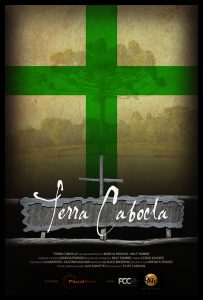
TERRA CABOCLA (Caboclo Land) – 2015 / 82 minutes / Direction: Márcia Paraíso and Ralf Tambke. Production company: Plural Filmes
One hundred years later, the caboclo people resist. The view of Santa Catarina as a white, Europeanized state erases other identities that are part of the state’s formation. The Contestado War was one of the bloodiest conflicts in Brazil. In the Santa Catarina Plateau region, caboclos still persist, as the people who lived there when the Contestado War happened are called; their culture and rituals are still maintained. The War is little discussed, little talked about, which ends up pointing to a political choice of cultural silencing. It is the struggle for land.
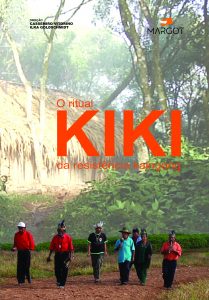
KIKI, O RITUAL DE RESISTÊNCIA KAINGANG (Kiki, the Kaingang Resistance Ritual) – 2014 – 34 minutes / direction: Cassemiro Vitorino and Ilka Goldschmidt / Margot Filmes
Kiki is the name of the most important ritual of the Kaingang Indigenous people. In the past it was held annually, so that the village’s recently deceased could make a good passage to numbê – the world of the dead. The ritual was revived in 2011 in the Condá village, in western Santa Catarina, 10 years after the last time it had been held, showing that the Kaingang language resists. Preparing the drink took more than 10 days. The painted faces define the two halves: kamé and kainru-kré. Once finished, the film was delivered to the village and distributed to leaders of different peoples at the UN, during a conference in March 2017 in Geneva, Switzerland. Copies were made in Kaingang, Portuguese, English and Spanish.
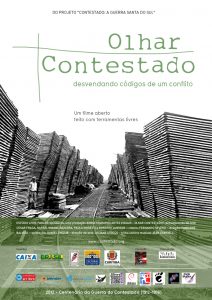
OLHAR CONTESTADO – 2012 / 15 minutes / direction: Fabianne Balvedi and Fernando Severo
The production uses virtual camera effects over photographic records, illustrations and rotoscoped drawings over documentaries of the time. They provide the visual elements needed for a meticulous reconstruction of the places, characters and events of the conflict. The main photographs used are by Claro Jansson, a photographer hired by the Lumber company, who recorded key episodes of the “Holy War of the South”.
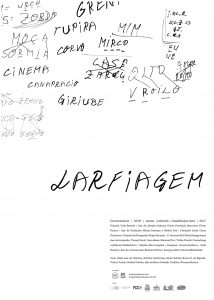
LARFIAGEM – 2017 / 18 minutes / Gabi Bresola / Ombu Produções and Magnolia Produções Culturais
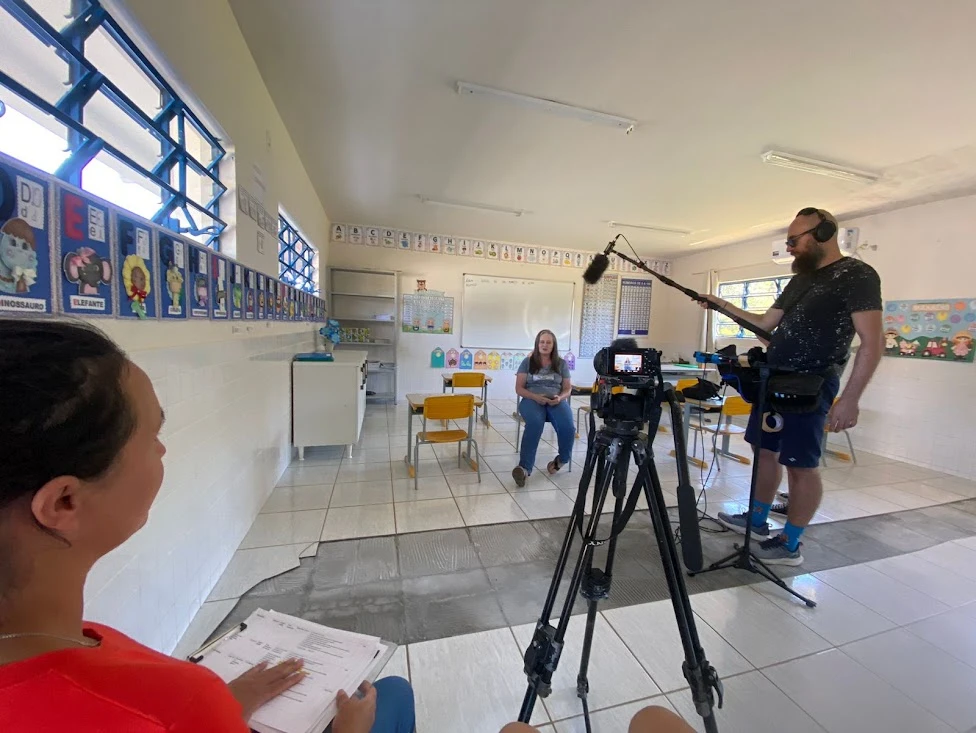
Boys aged 8 to 15 who did odd jobs around the Herval do Oeste Railway Station in the 1950s, the “good rascals”, as they tell it during the recordings for the documentary, now in their 60s and 70s, created their own way of communicating. A way to agree on the price for carrying travelers’ luggage to the hotel or shining shoes without other customers being able to understand. And so they could charge different prices – depending on the customer. The speakers who take part in the film take us back to the private universe they created as children.