After a successful premiere, it is Curitibanos’ turn to host the 2nd Chica Pelega Film Festival
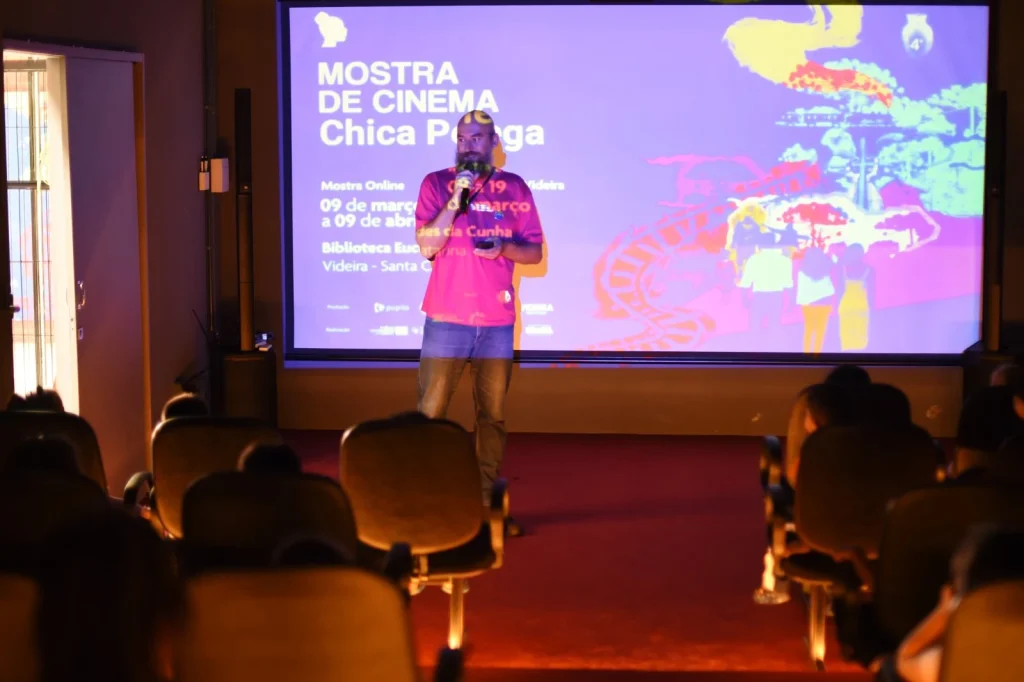
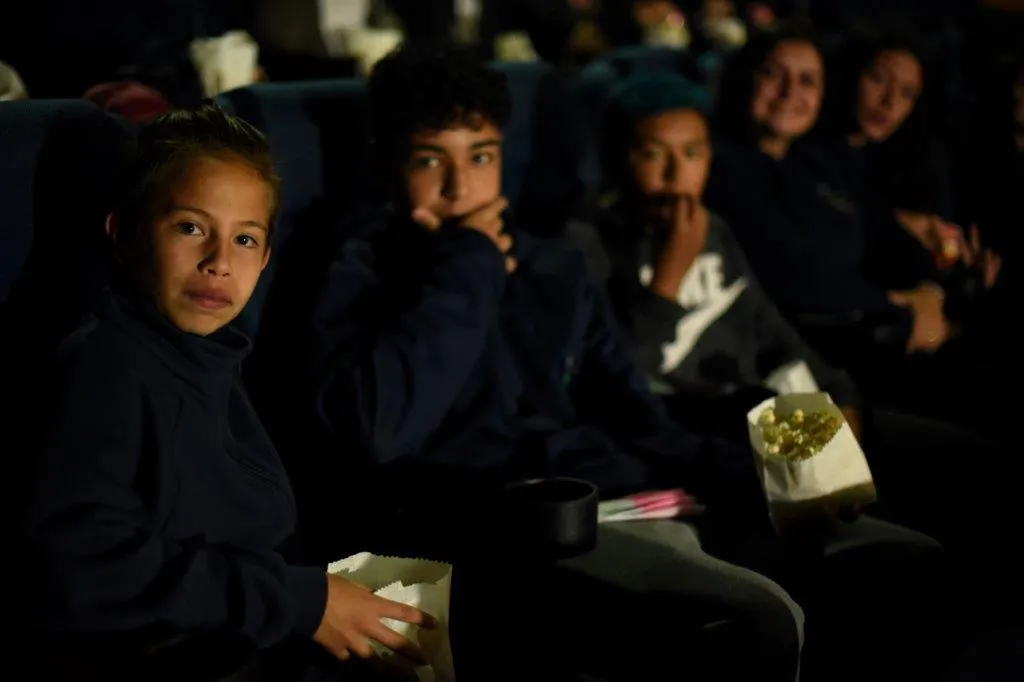
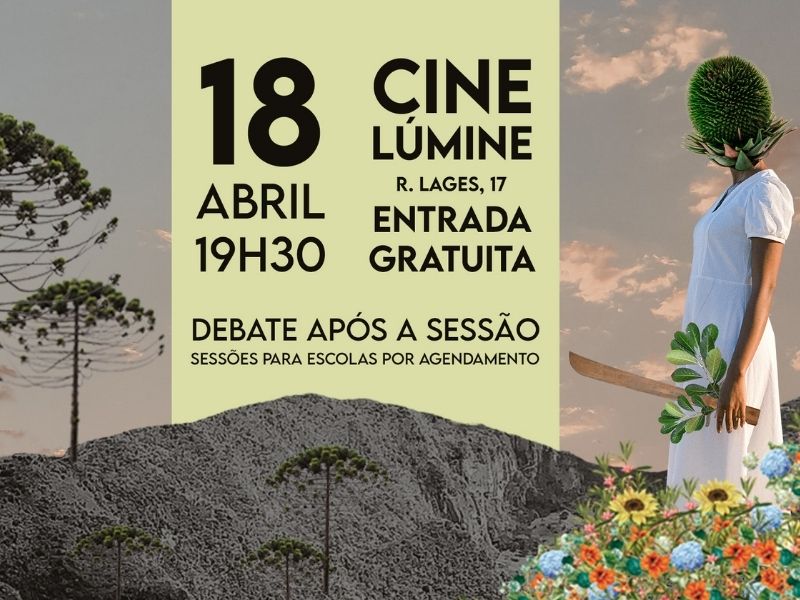
The 2nd Chica Pelega Film Festival premiered on April 11 at Cine Lúmine, in Campos Novos, where more than 700 students from the municipal and state public networks had access to films by Santa Catarina filmmakers and producers on themes involving the Contestado War. On Monday, the 18th, it will be Curitibanos’ turn (Cine Lúmine – Queluz – Rua Lages, 17).
In this way, education and cinema are united and one begins to think from each person’s gaze and perception of their regional identity. The Project is carried out by the Government of the State of Santa Catarina, through the Santa Catarina Cultural Foundation (FCC), with funds from the Federal Government and the Aldir Blanc Law, and is produced by VMS Produções and Pupilo TV of Joaçaba. On the 25th, the event closes in Caçador.
The Festival bears the name of the warrior Chica Pelega, i.e. Francisca Roberta, recovered through the oral memory of the Contestado Conflict, and also proposes, through cinema, an appreciation of the oral culture of the caboclo people and an attempt at historical reparation, since textbooks – or official historiography – say little about those who lost the war – called genocide by historian Vicente Telles: “It’s cannon against machete, is that war or genocide?”.
The Contestado War
The Contestado War (1912-1916) was the bloodiest civil conflict in the history of Brazil. At that time, the Brazilian government handed over a 15-kilometer strip of land on each side of the São Paulo–Rio Grande railway to foreign capital, freeing up the exploitation mainly of timber, which was plentiful. The people who lived there and farmed for their subsistence were expelled from their lands – for which they had no paper granting them ownership. And this gave foreign capital the right to kill them if necessary to secure that possession.
In the evening, the 2nd Chica Pelega Festival, together with Cine Lúmine, opens its doors so the public can watch the screening of the short film Larfiagem (2017), by Herval d’Oeste native Gabi Bresola, and the feature film Terra Cabocla (2015), by Márcia Paraíso and Ralf Tambke, of Plural Filmes, from Florianópolis.
During the Festival, the daytime sessions already count on more than 10 public schools in partnership with the Municipal Department of Education and GERED. Students will watch short films from different decades with the aim of uniting school activities and cinema. The films are: Irani, by Rogério Sganzerla (1983), Olhar Contestado, by Fabiane Balvedi (2015) and Larfiagem (2017), by Gabi Bresola.
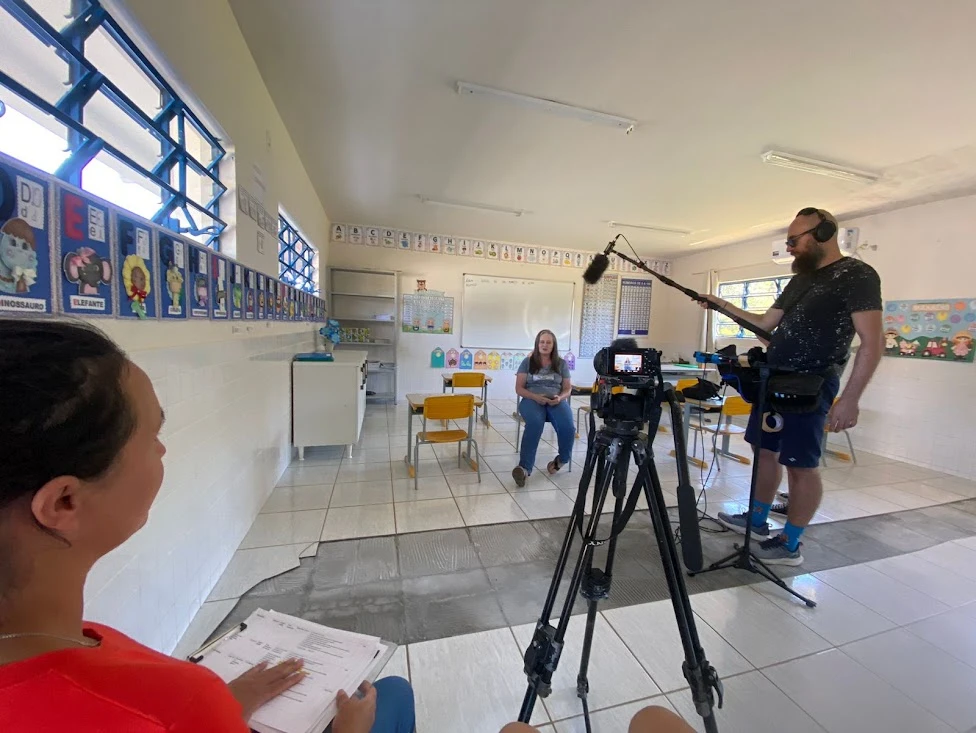
The films, curated by Joaçaba filmmaker Rudolfo Auffinger, are shorts with an average length of 15 minutes, ideal for the classroom, questioning the official photographs of the war, recalling rituals of the Kaingang Indigenous people and addressing the language created by Herval d’Oeste natives 40 years after the conflict to communicate at the railway station, the well-known grinfia or Larfiagem.
After the screening there will be a debate mediated by the guests: Paulo Pinheiro Machado, full professor in the History Department of the Federal University of Santa Catarina, in partnership with the institution, and Jilson Carlos Souza, caboclo, educator and popular communicator and member of the Paulo Freire Association of Education and Popular Culture (APAFEC).
Details
April 18 – Monday
Time: 7:30 pm
Venue: Cine Lúmine – Rua Lages, 17 – Curitibanos
Program and tickets at http://www.chicapelega.com.br
Campos Novos photos – Download