Campos Novos hosts the 2nd Chica Pelega Film Festival – Contestado in focus
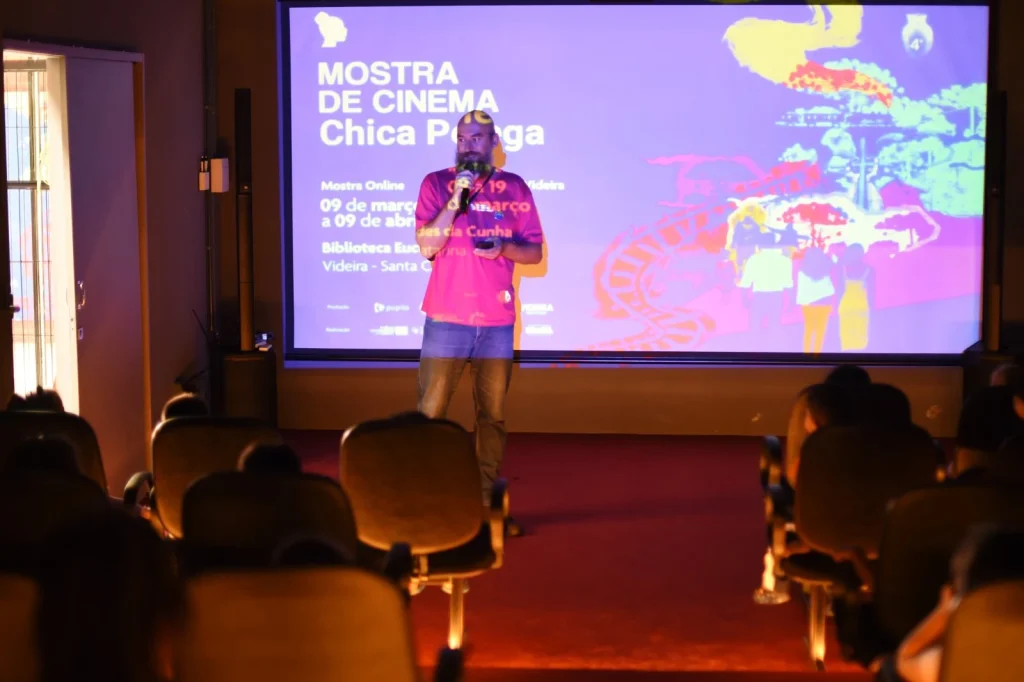
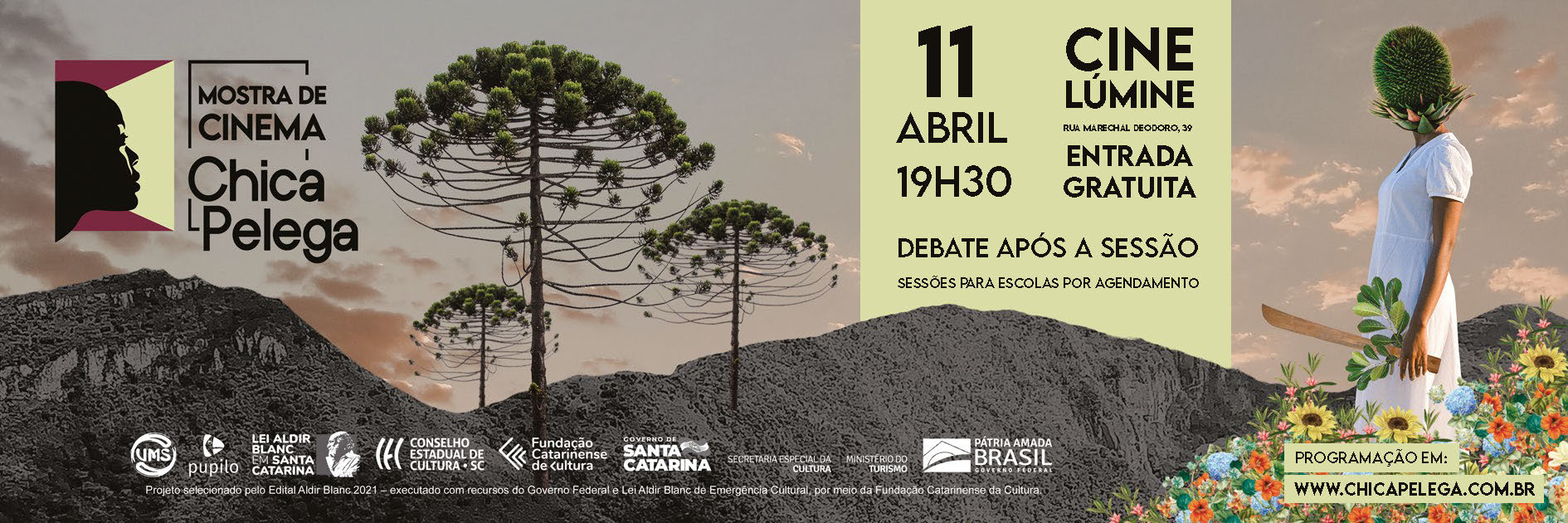
On Monday, April 11, Campos Novos hosts the Second Chica Pelega Film Festival – Contestado in focus. Five films will be screened throughout the day at Cine Lúmine, located at Praça Lauro Muller, in the town center. The Festival bears the name of the warrior Chica Pelega, i.e. Francisca Roberta, recovered through the oral memory of the Contestado Conflict, and also proposes, through cinema, an appreciation of the oral culture of the caboclo people and an attempt at historical reparation, since textbooks – or official historiography – say little about those who lost the war – called genocide by historian Vicente Telles: “It’s cannon against machete, is that war or genocide?”.
The Contestado War (1912-1916) was the bloodiest civil war in the history of Brazil. At that time, the Brazilian government handed over a 15-kilometer strip of land on each side of the São Paulo–Rio Grande railway to foreign capital, freeing up the exploitation mainly of timber, which was plentiful. The people who lived there and farmed for their subsistence were expelled from their lands – for which they had no paper granting them ownership. And this gave foreign capital the right to kill them if necessary to secure that possession.
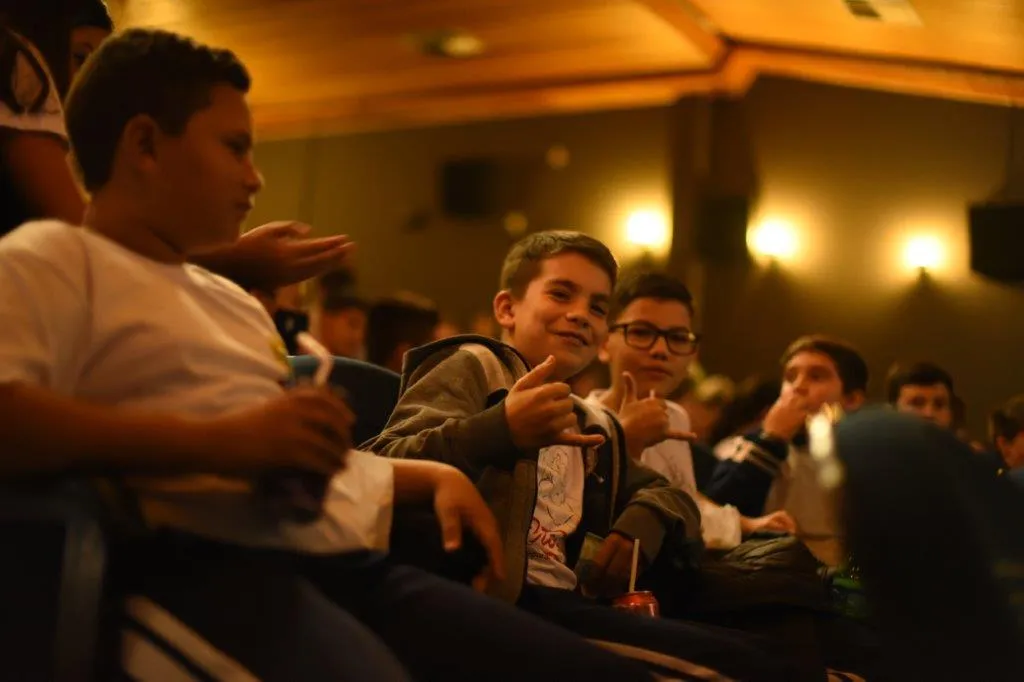
During the Festival, the daytime sessions will be dedicated to municipal and state public schools, which will watch four short films: Irani, by Rogério Sganzerla (1983), Olhar Contestado, by Fabiane Balvedi (2015), Kiki, o Ritual da Resistência Kaingang (2014), by Ilka Goldschmidt and Cassiano Vitorino, and Larfiagem (2017), by Gabi Bresola.
The films, curated by Joaçaba filmmaker Rudolfo Auffinger, are shorts with an average length of 15 minutes, ideal for the classroom, questioning the official photographs of the war, recalling rituals of the Kaingang Indigenous people and addressing the language created by Herval d’Oeste natives 40 years after the conflict to communicate at the railway station, the well-known grinfia or Larfiagem.
In the evening, the short film Kiki, o Ritual da Resistência Kaingang (2014) by Margot Filmes, from Chapecó, opens the session. It shows the most important ritual of that Indigenous people, held annually so that the recently deceased could make a good passage to the world of the dead (numbê).
Cine Lúmine also opens its doors to all audiences to watch the feature film Terra Cabocla (2015), by Márcia Paraíso and Ralf Tambke. Through the folk group Renascença Cabocla, from Fraiburgo, devotees of São João Maria – or joaninos, as they are known – keep alive to this day the memory of those who died in combat. The film features testimonies from researchers and is the first of a trilogy produced by the Florianópolis production company Plural Filmes about the Contestado conflict.
After the screening there will be a debate mediated by the guests: João Maria Chaves dos Santos, member of the Landless Rural Workers’ Movement (MST) in SC since 1984, and Jilson Carlos Souza, caboclo, educator and popular communicator and member of the Paulo Freire Association of Education and Popular Culture (APAFEC).
The project is carried out by the Government of the State of Santa Catarina, through the Santa Catarina Cultural Foundation (FCC), with funds from the Federal Government and the Aldir Blanc Law, and is produced by VMS Produções and Pupilo TV of Joaçaba.
TERRA CABOCLA
(Marcia Paraiso and Ralf Tambke, 2015, 82m)
A simple people, with traditional beliefs and rituals, inhabits the Santa Catarina Plateau region. Symbols of strong cultural resistance, the caboclos faced a war of extermination 100 years ago, when they suffered severe attacks from large landowners, the State and the oligarchies that had their eyes on the lands the group occupied. Although the Contestado War almost wiped out the local culture, the caboclo people managed to rise again and keep it alive to this day.
KIKI, O RITUAL DE RESISTÊNCIA KAINGANG
(Cassemiro Vitorino and Ilka Goldschmidt, 2014, 34m)
Kiki is the most important ritual of the Indigenous ethnic group. It was held in 2011 in the Condá Village (Chapecó/SC). In chronological order, the preparations in the forest and in the village are shown. Holding the ritual was an attempt to revitalize and strengthen Kaingang dualism. The film also shows how the Kaingang language still represents an important sign of this culture today, demonstrating that the Indigenous people maintain their identity despite the violence of contact with other ethnic groups.
IRANI
(Rogério Sganzerla, 1983 – 8 m)
The filmmaker, camera in hand, mingles with the characters of the celebration marking the anniversary of the Contestado War, in the town of Irani. A camera that approaches the horses head-on, that imprints circular movements, establishes a grammar that emerges from the staging that the town’s population builds. The film is his way of looking at his past in order to constitute a history that represents him.
OLHAR CONTESTADO
(Fabianne Balvedi and Fernando Severo, 2012, 15m)
Virtual camera animation over photographic records, illustrations and rotoscoped drawings over documentaries of the time provide the visual elements needed for a meticulous reconstruction of the places, characters and events of the conflict. The main photographs used are by Claro Jansson, a photographer hired by the Lumber company, who recorded key episodes of what became known as the “Holy War of the South”. “The Contestado is still a war full of question marks, full of doubts about what really happened. In addition to its important historical/documentary character, the film stands out for being open (film and sources freely available) and for having been produced with free tools.)
LARFIAGEM
(Gabi Bresola, 2017, 18m)
Shoeshine boys, porters and other children aged 7 to 15 mingled with travelers at the Herval d’Oeste (SC) railway station in the 1950s. To survive, buy comic books and go to the movies, dodging inspectors, police officers and even their own parents, they invented a language of their own. Today, decades later, Larfiagem appears as the memory of its last speakers, now in their seventies, who still know, teach and decipher the secrets of its nouns and pronouns.