Curitibanos revisits its caboclo identity at a Film Festival focused on the Contestado War
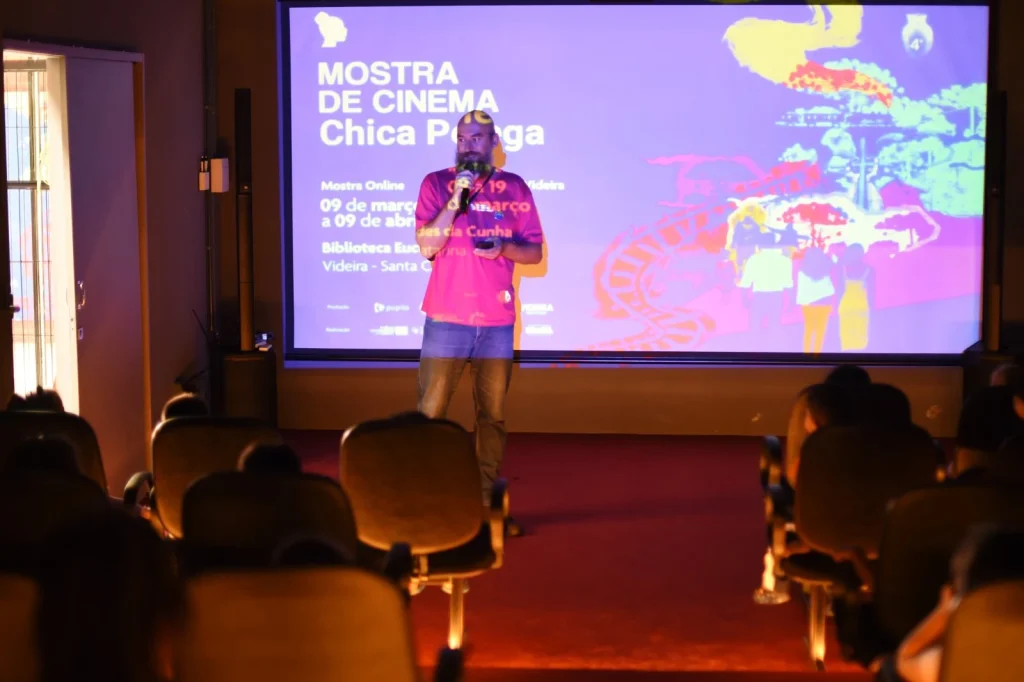
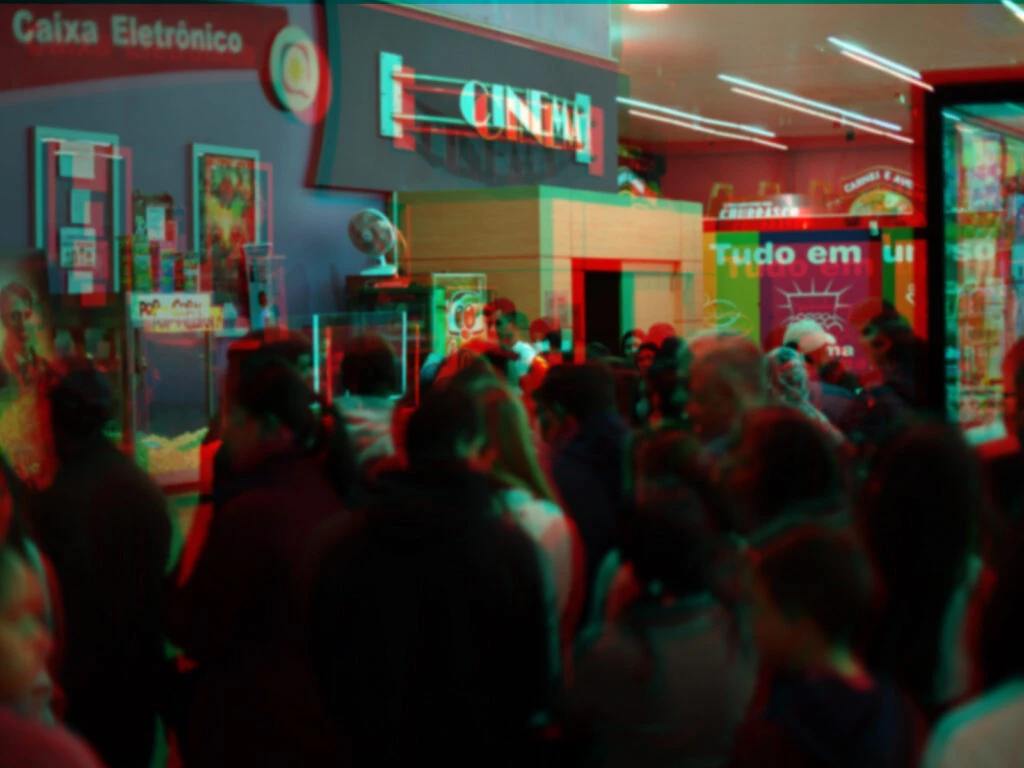
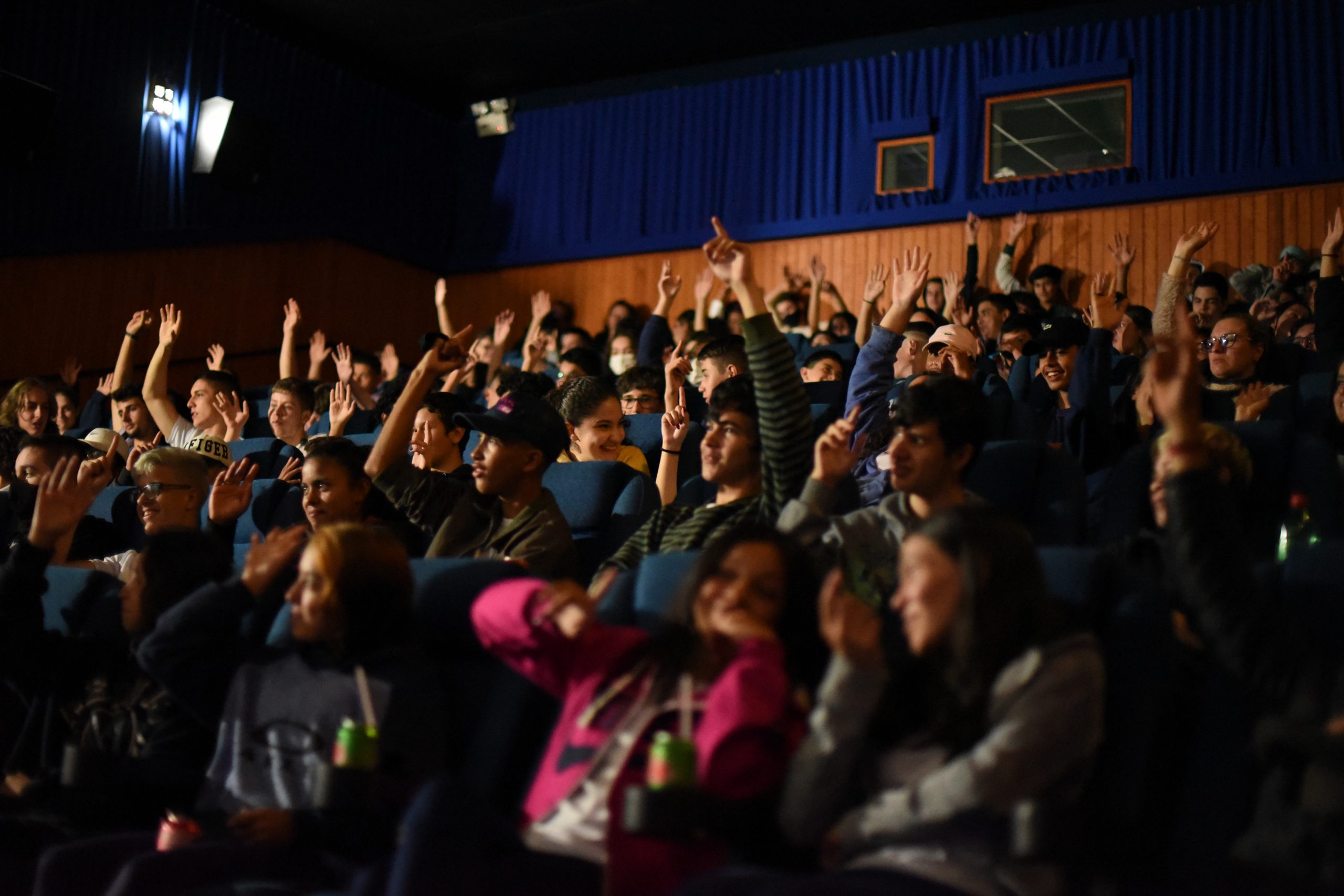
More than 100 years have passed and the Contestado War (1912-1916) is being revisited, debated and questioned by its descendants through the relationship between cinema and education. The 2nd Chica Pelega Film Festival brought 632 students from 12 schools – eight state, three municipal and one private – to Cine Lúmine, in Curitibanos, on April 18 and 19. During the five daytime sessions, all followed by debate, students were able to watch three short films: Olhar Contestado (2012), by Fabianne Balvedi and Fernando Severo; Irani (1983), by Rogério Sganzerla, and Larfiagem (2017), by Gabi Bresola. The evening session also featured the screening of the feature film Terra Cabocla (2015), by Márcia Paraíso and Ralf Tambke. Produced by Pupilo TV and VMS Produções. Carried out by: Government of the State of Santa Catarina, through the Santa Catarina Cultural Foundation (FCC), with funds from the Federal Government and the Aldir Blanc Law.
During the talk, professor Jilson Carlos Souza, of the Paulo Freire Association of Education and Popular Culture (APAFEC), from Fraiburgo, told the students about the origin of the name Curitibanos – Men who come from Curitiba. These men, according to him, were cattle drovers, that is, they drove animals from Rio Grande do Sul to the economic center of Brazil, which at that time was Sorocaba, in the interior of São Paulo. The word Curitiba has a Tupi-Guarani origin – City of Araucarias. And so, the men who traveled to Curitiba founded a town along the way, before reaching the city of the Araucarias. Being a place of passage, Curitibanos is also the space that gave rise to other agrarian conflicts of that time.
From this introduction, the popular educator recounted what he considers one of the most interesting episodes of the Contestado War, which took place 800 meters from where the 2nd Chica Pelega Film Festival – Contestado in Focus was being held. “Tired of merely defending themselves from attacks, the caboclos and caboclas decided to attack too. They set fire to the registry office and the Church. However, they were not seeking revenge, they did not want the blood of their killers, they wanted justice. Nobody died. The buildings were empty; only the records were burned and eliminated, the papers, the documents that granted ownership of the land – which granted the right to kill,” he said, adding:
For us caboclos and caboclas, our relationship with the land is not one of exploitation, it is one of belonging. The land is our mother, she is what we call pachamama, the great mother. And for the white people who arrived here and came to hold land titles, and could therefore expel the caboclos from their lands, the relationship is one of exploiting the land. This shows that our history did not begin 60, 70, 100 years ago, with the immigrants. It began at least 10,000 years ago, with the Indigenous nations. It was not the white man who taught us to eat cassava and pine nuts, it was the Indigenous people. And it is this history that we are talking about in these films.
Through the partnership between the 2nd Chica Pelega Film Festival and the Federal University of Santa Catarina (UFSC) Curitibanos campus, it was possible to have the participation of professor Paulo Pinheiro Machado, author of Lideranças do Contestado (2004), Guerra Santa Revisitada (2008), Rebeldes do Contestado (2016) and coordinator of the research group on the Contestado. For him:
Resistance against railway expropriation existed all over Brazil and all over Latin America. This concession that granted land on each side of the railway line was not only in the Contestado. Railways in other parts of Brazil impacted communities in the same way, but the Contestado War did not happen everywhere. Here there was a union of several subjective cultural elements that made this form of resistance and organization of the population possible. That is what we need to understand. The struggle against coronelismo, against the railway that caused all that environmental and social impact, are elements far beyond regional issues. They are national elements. The discussion about coronelismo was not just a discussion of Santa Catarina’s Midwest, it was a problem for the whole of Brazil. And it still is.
Professor Paulo Pinheiro insists that the agrarian context in the Contestado is one of resistance to expropriation.
They were already squatters. Even the big landowners had no title deeds. The context today is one of reconquering lost territory. The struggle for Agrarian Reform today speaks to the Contestado, just as it speaks to the Jesuit missions. There are many descendants of immigrants in the strongholds.
But, after all, who are the caboclo people?
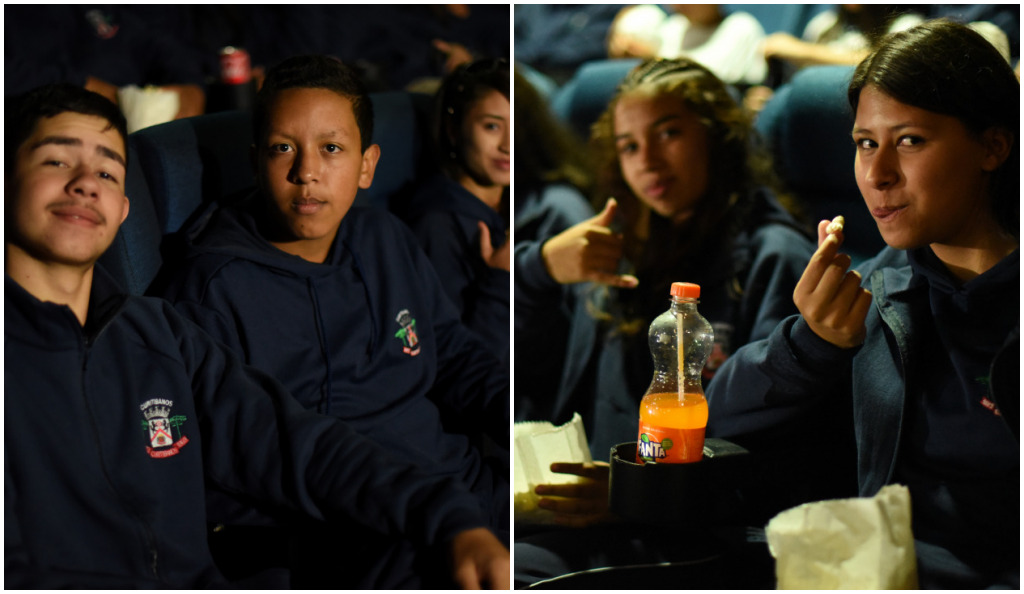
The students were curious when watching the films and hearing the stories told by professor Jilson Souza about Curitibanos’ participation in the Contestado War and about the gatherings, then called Holy Cities. But who, then, are these caboclos?
The caboclo and the cabocla are all of us: the Black, the Indigenous and the poor white. This mixed people, who resisted and brought us here. We are only watching these films and talking about the Contestado because we are descendants, we are continuers of the history of the Contestado. Today in other trenches. Back then, they had to face cannons, airplanes, German machine guns. Today, our task is to face the attempt at forgetting, at erasing history, at erasing who we are and what we are. And being caboclo is a social group formed by at least three ethnicities: Indigenous, Black and white.
The war could have been avoided
Professor Paulo Pinheiro Machado highlighted a statement by professor Rogério in the film Terra Cabocla (2012), when he says that war against one’s own people is not a fatality, it is a political decision. It could have been avoided and the slaughter would not have happened:
Possibly Taquarussu today would be a kind of Juazeiro do Norte, selling João Maria ribbons, with an annual pilgrimage… Juazeiro do Norte had political mediations that prevented the attack. Padre Cícero was a coronel, he was in oligarchic politics, he influenced national and regional politics. Here in the Contestado they had no guardian, no coronel to do that kind of mediation. And that concentration of poor people was seen as a threat to the established order. They were systematically attacked and the War took hold.
At the end of each session, each participation, each new school, each new municipality in the Contestado region the 2nd Chica Pelega Festival has passed through, it becomes clear that history is latent. Reflections on the war are also about life and the reconquest of the land. This edition closes at the next stop, in Caçador, on April 25 and 26, at Cine Lúmine. See you there.