Irani (1983) and the identity filmmaker Rogério Sganzerla was searching for
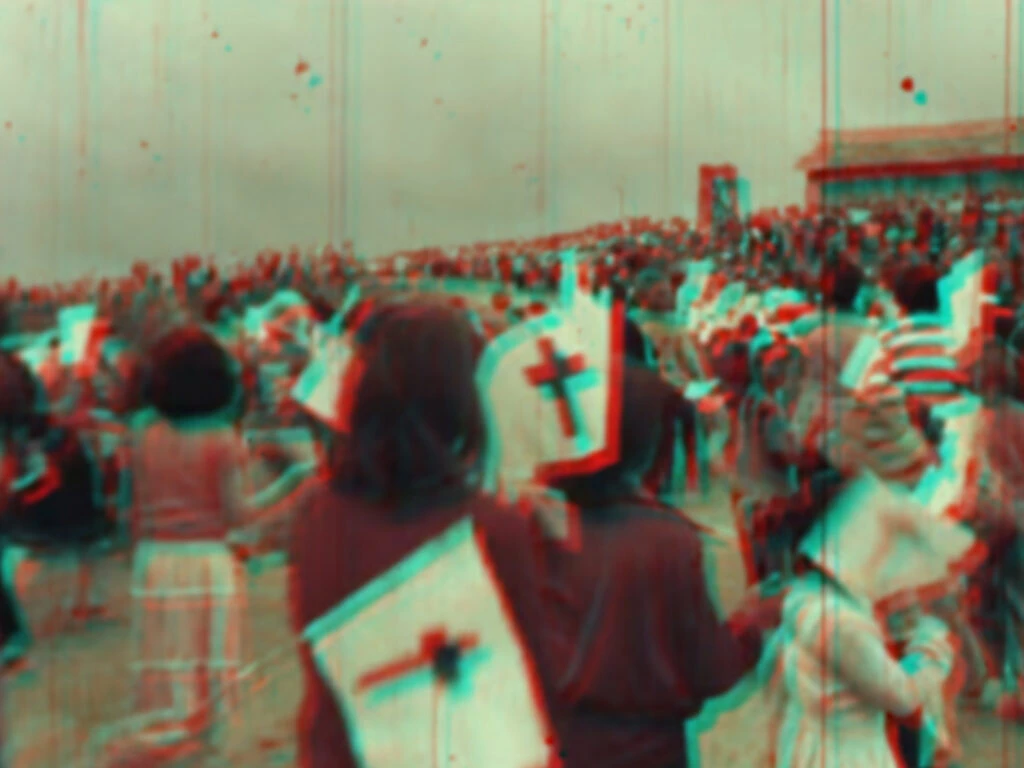
Irani was the site of the first battle, starting the Contestado War, where the Army encountered the caboclo people, by then already united as a community, sheltered by the blessings of the monk who was later consecrated as São João Maria, who prepared teas for them to heal their many pains and illnesses. By coincidence, Rogério Sganzerla’s father was one of the founders and builders: “a person people never forget”. In the filmmaker’s own words, in an interview with Adgar Bittencourt on the program Olho Vivo na TV, on the now-defunct Canal 21 of Joaçaba, his hometown, in December 1999. Rogério spoke with great love about this project involving Irani. The short film was only one part. He seemed unwilling to give up this recovery.
I feel flattered and I must repeat that I take the greatest satisfaction in having found, even at the Sorbonne, in Paris, students writing theses on my first feature film, O Bandido da Luz Vermelha (1968), and also in other countries. But in fact, I must say that the film I wanted to premiere, and which to this day I have not been able to make as a feature, is the film about the Contestado, about our land, about Irani.
Rogério Sganzerla was a film critic (Suplemento Literário – Estadão, Folha da Manhã, Folha da Tarde) and later achieved worldwide recognition in cinema as a filmmaker. He always defended cinema, art, the freedom to create. But, above all, he loved his people, was very proud of being “a guy from the countryside” and of keeping traces of that heritage.
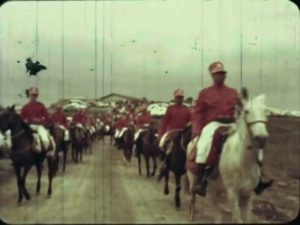
In this same interview, given to the local TV of his hometown, he recounts that he spent many months working on this project about the Contestado War, in Irani. Talking with Maestro Vicente Telles, whom he admired. He did not want to show only cannons, but had a different process in mind.
I had come to know, and I greatly admire, the musical work of maestro Vicente Telles. He is concerned with preserving the places where the initial battles took place, in Irani, and this is a project I have cherished since 1961. I wanted to do it in a way that would be useful and pleasant for the audience. I wanted to tell a story, it is a dramatic arc, everyone is a hero and at the same time there is a historical reflection and it has connections with Paraná.
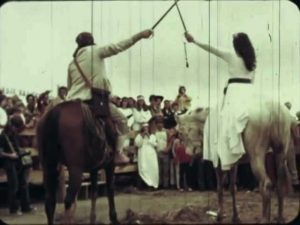
And then Rogério states that this project stalled for lack of financial support. He said it was meant to be made with investment from Santa Catarina and Paraná. It was meant to be something that would interest even the public authorities of these places, to clarify what happened in the region. People should seek these clarifications. Learn about their origins, their identity, and contemplate this history that was made mainly of heroes. Not the soldiers, but those who gave themselves to protect their families and seek something better for the children who stayed home waiting for their return. And in their name he cherished this project.
For more information about the film Irani (1983), by Rogério Sganzerla, and the other films in the 2nd Chica Pelega Film Festival, visit the Films section.