5th Chica Pelega Film Festival opens submissions and honors the Contestado caboclo
The Chica Pelega Film Festival reaches its 5th edition with a new curatorial focus, “The Caboclo and Rural Inland Territories”, and opened film submissions on August 27. Entries are accepted until October 28, 2026, are free of charge and are made exclusively through FilmFreeway (filmfreeway.com/mostrachica). The festival will take place in person in Chapecó, Santa Catarina (Brazil), in 2027, alongside a 31-day online showcase on Pupilo Play.
For the first time, the Festival devotes an entire edition to the caboclo people, who represent the whole region marked by the Contestado War. In Santa Catarina, the caboclos emerged from the historical interaction between the region’s indigenous populations, mainly Kaingang and Guarani, and the Luso-Brazilian inland communities that occupied the territory before the European colonization processes of the 20th century. From this perspective of mixed heritage and inland traditions, the curatorship proposes a deep, diverse and sensitive look at traditional peoples and inland culture, in Brazil and around the world.
“Much is said about Santa Catarina’s whiteness and the influence of white European immigrants on the development of its cities and cultures. But little is said about the formation of the caboclo people of the Contestado,” states the project for the 5th edition, approved through the Circuito Catarinense de Cultura funding program. The proposal is to use cinema to educate, raise awareness and foster understanding, empathy and respect for these communities, with talks after every screening bringing together filmmakers, scholars and local audiences.
The memory of the Contestado and the warrior who names the Festival
The Contestado War was an armed conflict fought between October 1912 and August 1916 between squatters and small landowners on one side and, on the other, the Brazilian Army and the state forces of Paraná and Santa Catarina. A strip of land roughly 30 kilometers wide was handed over to the Brazil Railway Company to build the São Paulo–Rio Grande railroad, which led to the eviction of squatters and left a significant number of workers unemployed. For many historians, the real cause of the war, the struggle over land and workers’ rights, has never been resolved, and its legacy is still present in the region.
The Festival is named after Francisca Roberta, known as Chica Pelega. Born in Limeira, today Joaçaba, she lost her father in combat, was left alone with her mother and became a fighter, remembered as the Warrior of Taquaruçu. Her story, like that of the Contestado itself, remains largely unrecognized by official history, even though it was the largest Brazilian conflict of the 20th century.
Who can submit and how selection works
Films of any length (short, medium or feature) are eligible, in fiction, documentary, animation, experimental and hybrid genres, from Brazil and Latin America, with no production-date requirement. Films in languages other than Portuguese must have Portuguese subtitles, and preference is given to works not screened in previous editions. The key criterion is that the films engage with the edition’s theme: the caboclo, traditional peoples and rural inland territories.
The competitive showcase is organized in three categories:
- Contestado — films about the Contestado War and culture, its history, memory, characters and legacy in the region;
- Traditional Peoples (shorts and features) — films about traditional peoples and inland culture: caboclos, indigenous peoples, rural communities and their traditions, in Brazil and worldwide;
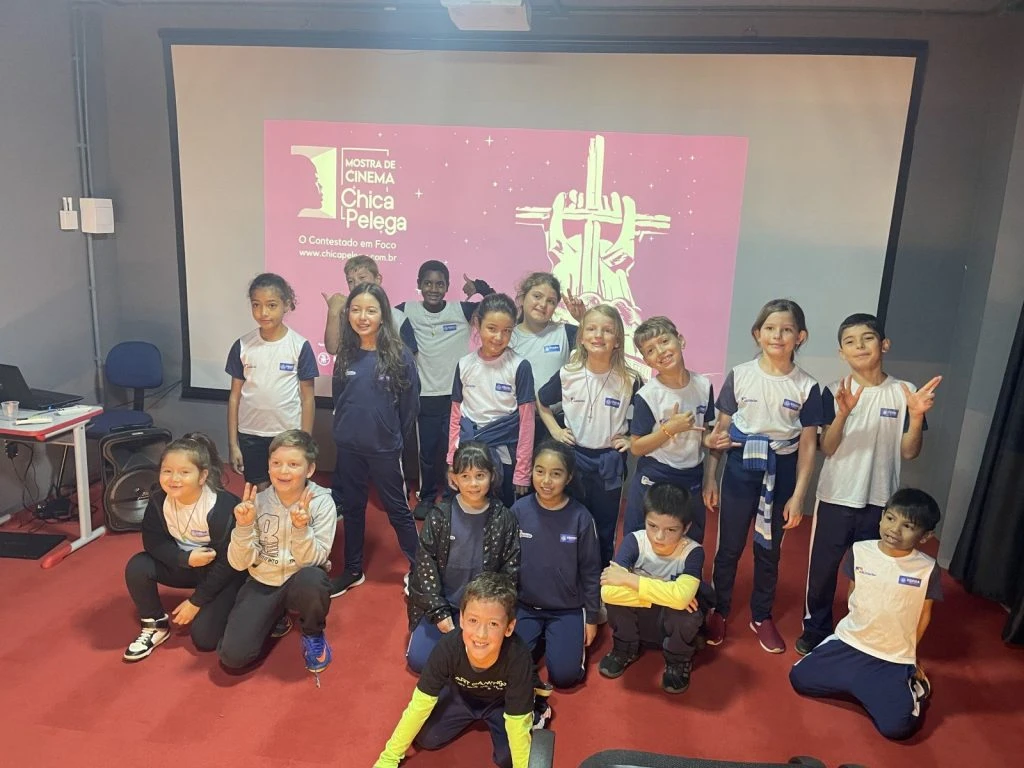
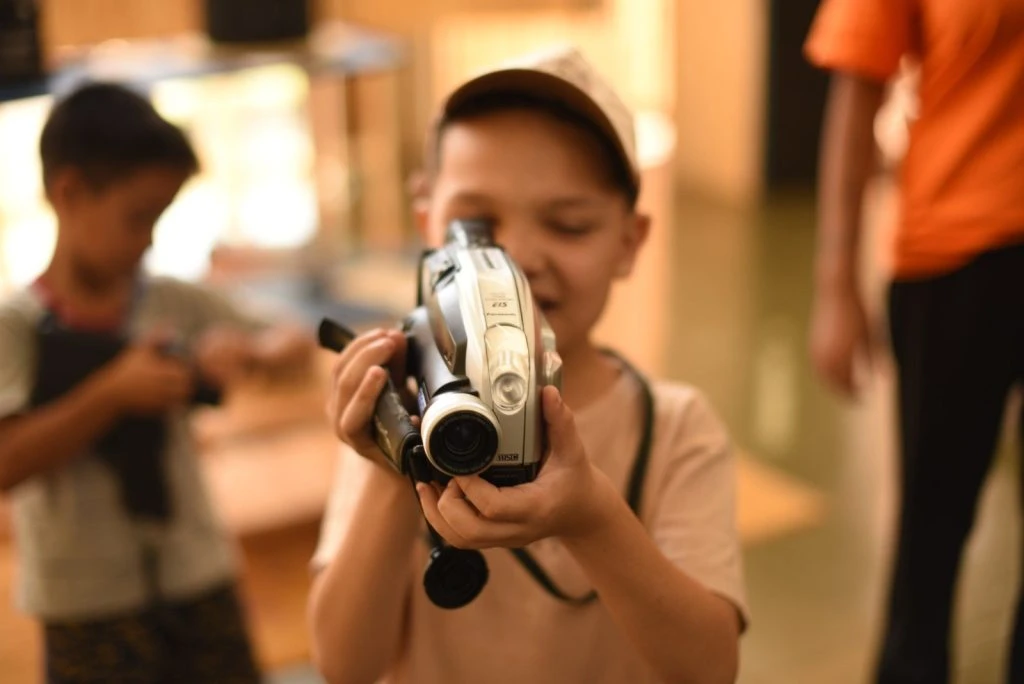
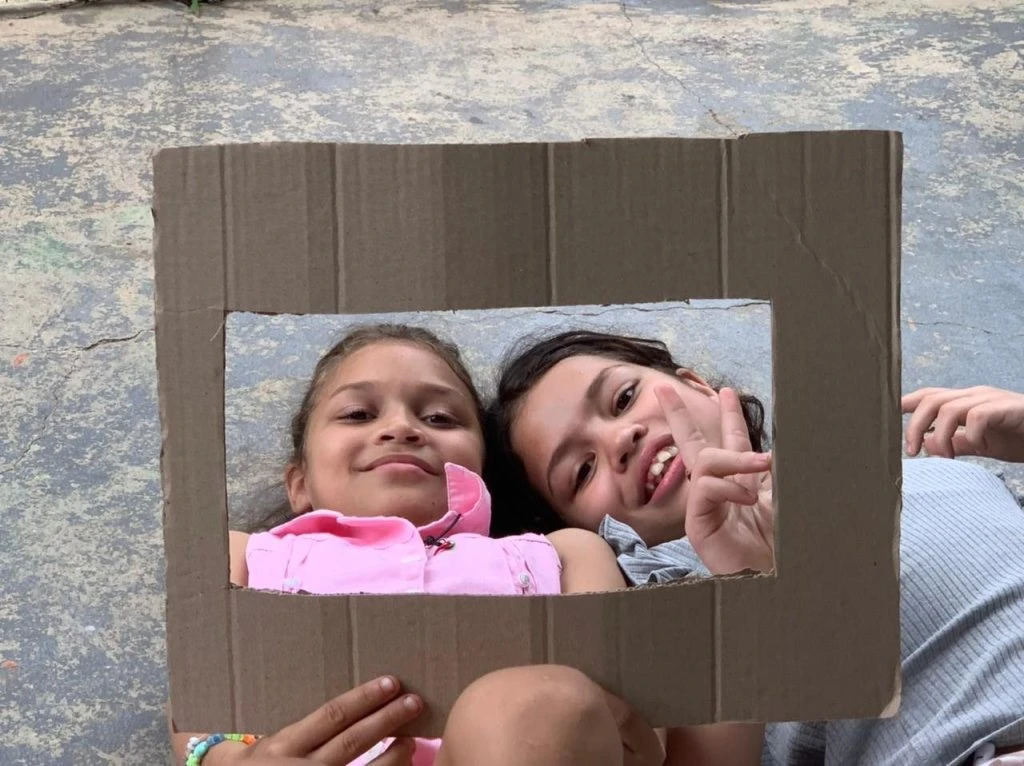
- Childhood on Screen — films for young audiences or that portray childhood, with a sensitive and educational approach.
Selection will be carried out by a Caboclo Curatorial Committee, made up of caboclo members and scholars of the theme from different backgrounds, who meet to watch, discuss and program the sessions. The edition’s curatorship is organized by Sabrina Zimmermann, who has extensive experience in inland audiovisual work. The list of selected films is expected to be announced on January 10, 2027 (provisional date). Selected films must provide a final copy in Full HD, stills, poster, trailer, full credits and synopses, and appoint one representative to attend the event; the organization may offer accommodation and transportation by prior agreement.
Awards
The Chica Pelega Trophy, created by a guest artist, will go to four films: Best Film Childhood on Screen, Best Film Contestado, Best Film Traditional Peoples (short) and Best Film Traditional Peoples (feature). Each winner also receives an in-kind award aimed at strengthening the audiovisual market, plus a t-shirt, the catalogue and an ecobag.
The awards are completed by the Audience Award, decided by adding paper ballots from the in-person sessions to votes on the online platform, and the Little Critics Award, given by juries of children and teenagers in four age groups: 3 to 5, 6 to 10, 11 to 14 and 15 to 17. Winners will be announced online in a closing livestream.
Chapecó: five days of screenings, workshops and an exhibition
The in-person program includes five days with 15 sessions of about 50 minutes each, every one followed by a talk with guests. Morning and afternoon sessions will host schools from Chapecó and neighboring towns, and evening sessions will be open to the general public. One of the planned venues is Nossa Maloca – Sítio Cultural, a cultural center in the Linha Tafona community in the rural area of the municipality that brings together art, nature and traditional knowledge; the production team intends to spread sessions across other venues in the city to reach a wider audience.
Three free workshops form the educational strand of the edition: “Narrating the Inland: between memory, territory and identity”, with teacher Daniela Farina, on ways of telling stories from inland territories; “Indigenous History and Photography”, with indigenous activist Jucelino de Almeida Filho, raised in the Laklãnõ-Xokleng culture in the Itajaí Valley; and “Lambe-lambe” (wheat-paste street posters), with photographer and urban artist Luana Callai, of Coletivo Na Rua, which will produce a collaborative mural incorporated into the program on the following days.
The photography exhibition “Entre Linhas: Memórias” (Between the Lines: Memories), also by Coletivo Na Rua (Luana Callai and Kika Chmura), revisits the archive of the first two editions of the Entre Linhas project, carried out from 2021 in Capinzal, Ouro and Zortéa. The images document the daily life, work and community ties of small farmers in Santa Catarina’s mid-west, organized around work, family, landscape and rural identity. Cultural performances round out the schedule.
On Pupilo Play, the online showcase will gather more than 30 short, medium and feature-length films, organized by curatorial strands and available for 31 days with a free login. Besides watching, audiences will be able to vote for the Audience Award.
Five years of a traveling festival
The Festival was born in Joaçaba in August 2021 with a single screening during the town’s 104th anniversary celebrations. In 2022, the 2nd edition, “Contestado in Focus”, traveled to Caçador, Curitibanos and Campos Novos, towns that were central settings of the war. In 2023, the 3rd edition was entirely devoted to the quilombola communities of Invernada dos Negros and Campo dos Poli, with a Quilombola Curatorial Committee and short films made by residents themselves in the workshop “The Minute That Was”. In 2024, two circuits brought the films to seven quilombola communities on the coast and six towns in western Santa Catarina, reaching nearly 2,000 in-person viewers.
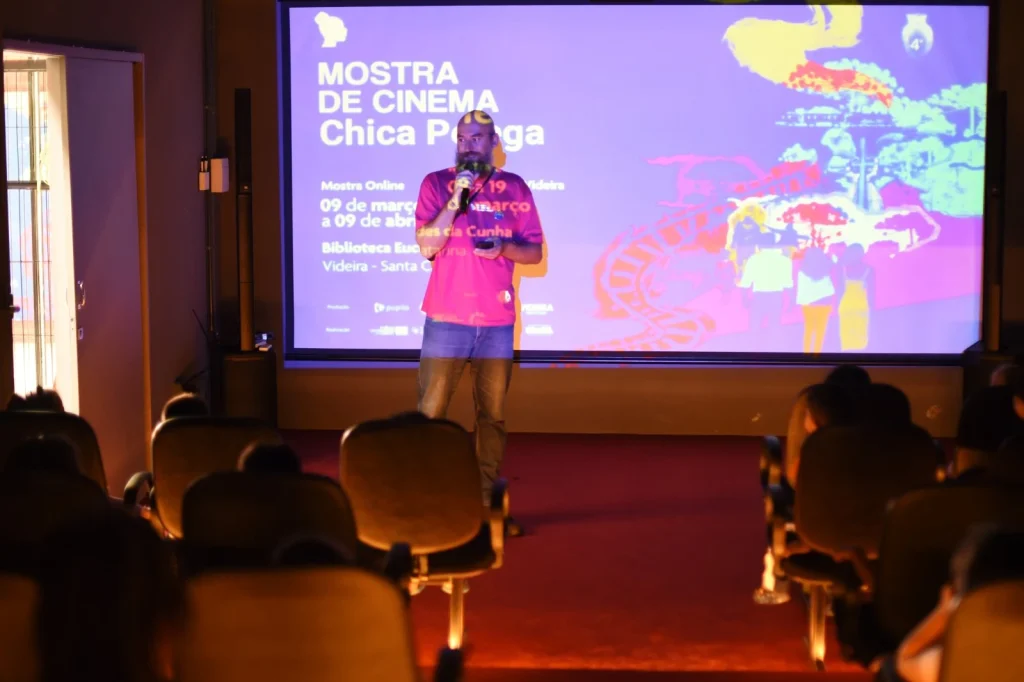
The 4th edition, “Contemporary Migrations”, held in Videira in March 2026, was the largest to date: it received 393 submissions, selected 117 films from 22 countries and 13 Brazilian states and set a record for in-person attendance, with official awards, a technical jury and the Little Critics children’s jury. See the winners of the 4th Festival and the full history on the project page.
The 5th Chica Pelega Film Festival is organized by Pupilo, with funding from Circuito Catarinense de Cultura (Santa Catarina Culture Foundation, Government of Santa Catarina, Aldir Blanc National Policy and Brazil’s Ministry of Culture). The full rules, in Portuguese, English and Spanish, are available on the official website.
At a glance
5th Chica Pelega Film Festival — The Caboclo and Rural Inland Territories
Film submissions: August 27 to October 28, 2026, free of charge, via FilmFreeway
Categories: Contestado, Traditional Peoples (shorts and features) and Childhood on Screen
Selection results: expected January 10, 2027
In-person festival: 2027, in Chapecó (Santa Catarina, Brazil), with a 31-day online showcase on Pupilo Play
Rules: chicapelega.com.br/en/regulamento-en
Information: chicapelega.com.br · producao@chicapelega.com.br · Instagram @mostra.chicapelega